

Advocacy: Guatemala
Sonrisas Que Escuchan
The early identification of children with hearing loss requires more than clinical expertise. It depends on strong public health systems and policies that prioritize screening and early intervention. In many countries, however, neonatal hearing screening remains limited to pilot initiatives.
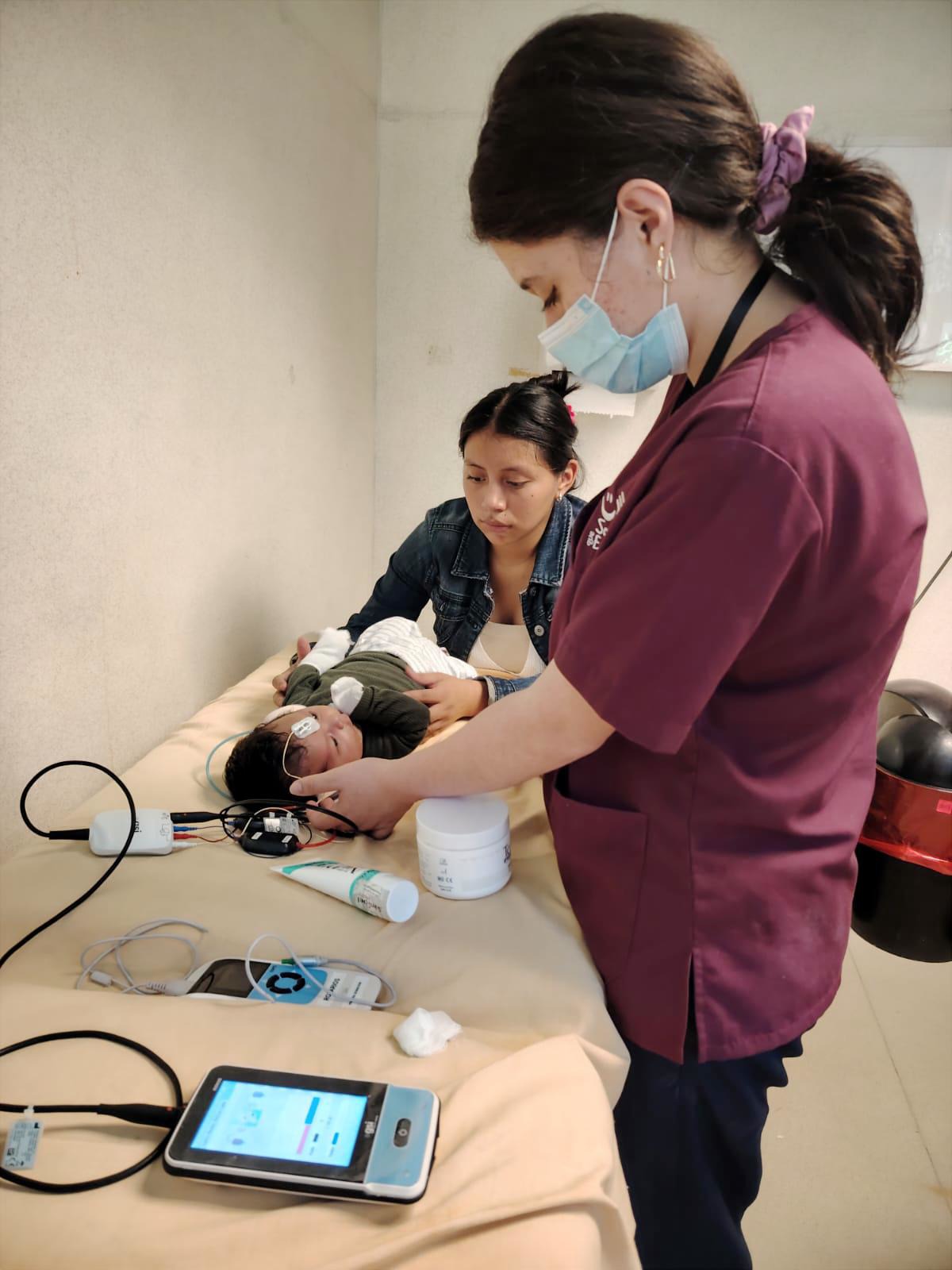
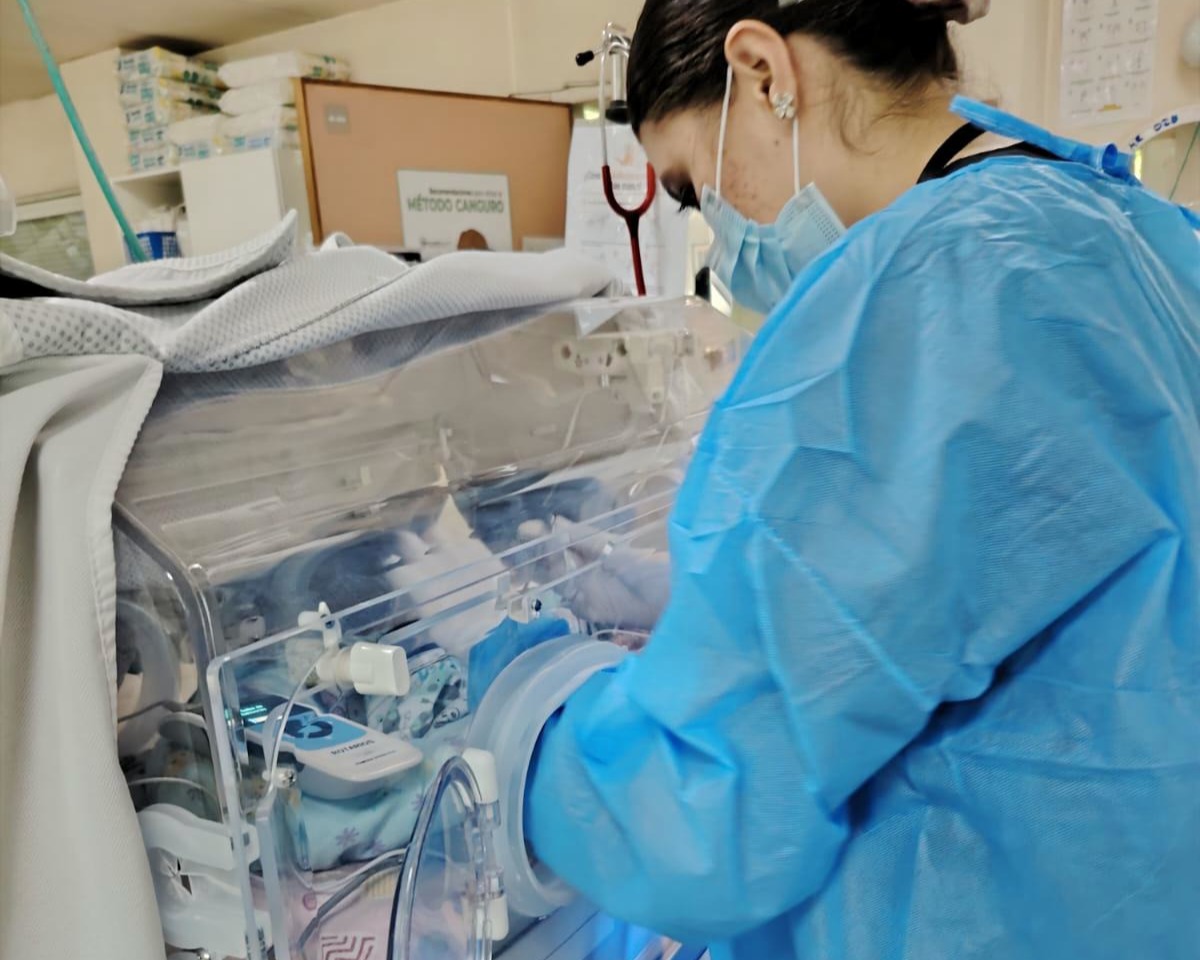
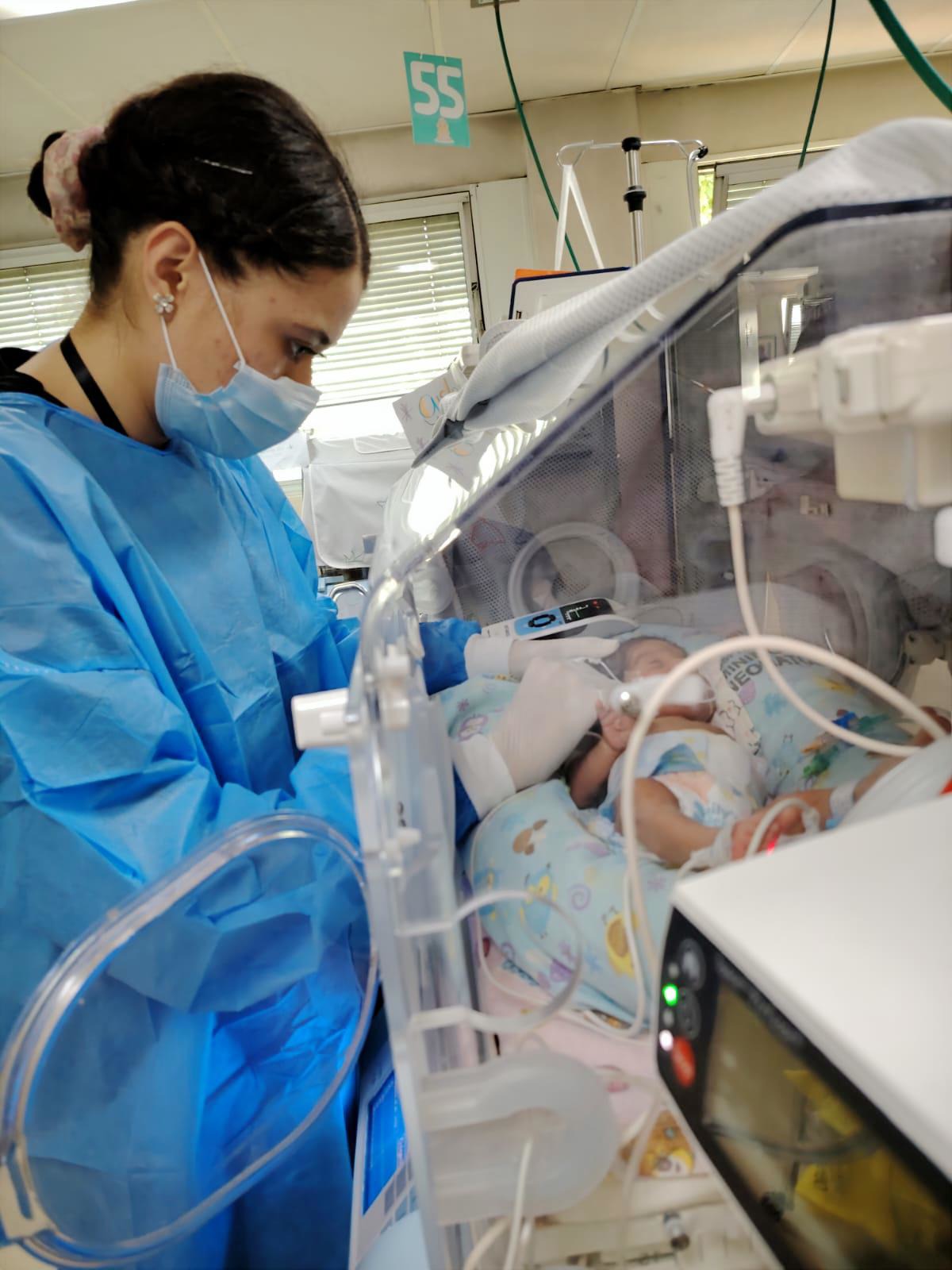
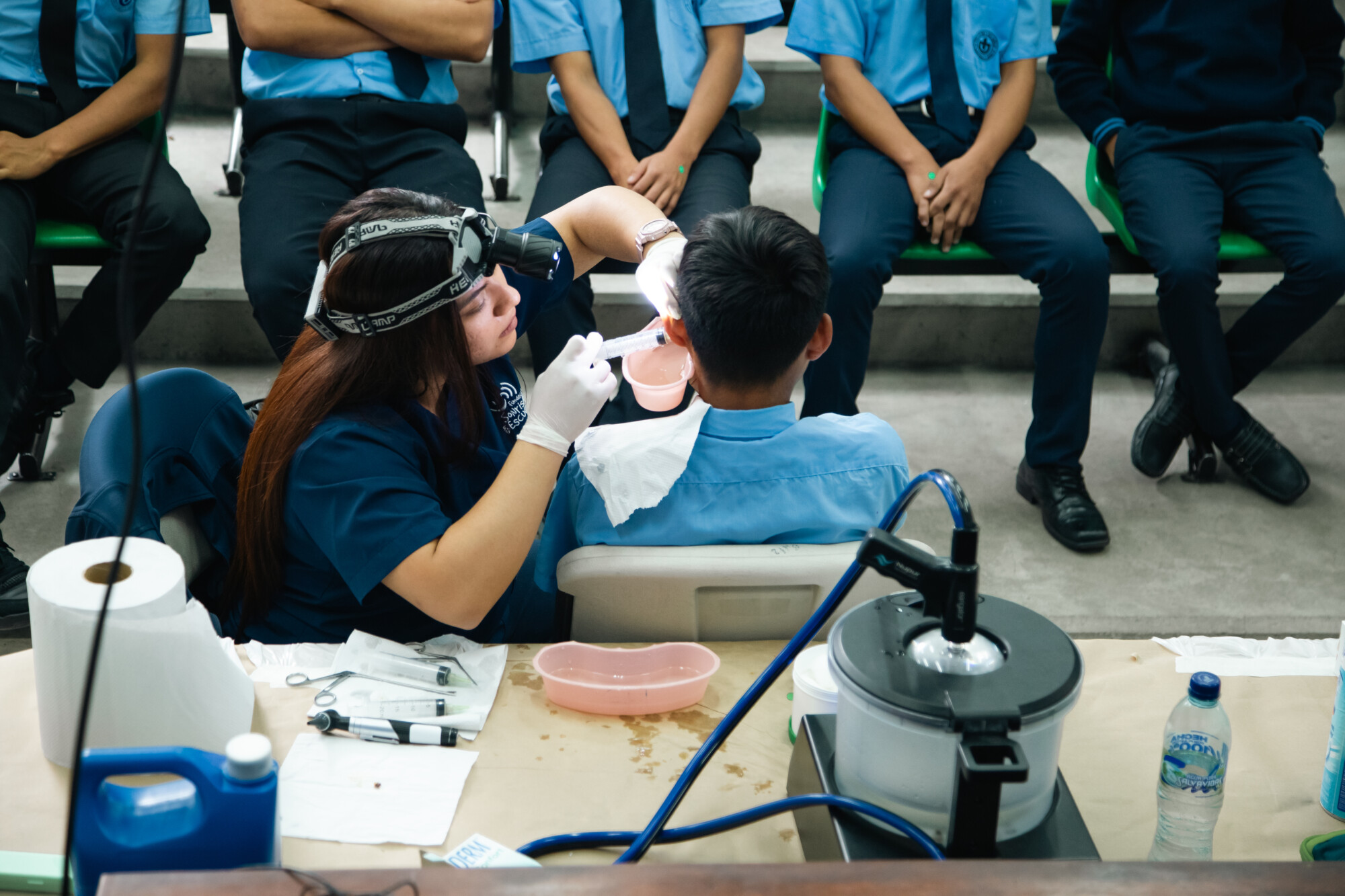
In Guatemala, our project partner Sonrisas que Escuchan (SQE) works closely with the Ministry of Health to strengthen early detection. Together, they are advancing neonatal hearing screening in 10 hospitals nationwide so that more newborns are screened and referred for timely diagnostic assessments and care.
A key element has been positioning screening as a shared public health priority. SQE’s work to drive newborn hearing screening pilots has resulted in the Ministry of Health’s commitment to fund more screenings. Through its collaboration with the ministry, SQE regularly shares screening results and program data, highlighting the number of children with hearing loss and the importance of early intervention. This evidence-based approach raises awareness among policymakers and reinforces the need to integrate screenings more systematically within the national healthcare system.
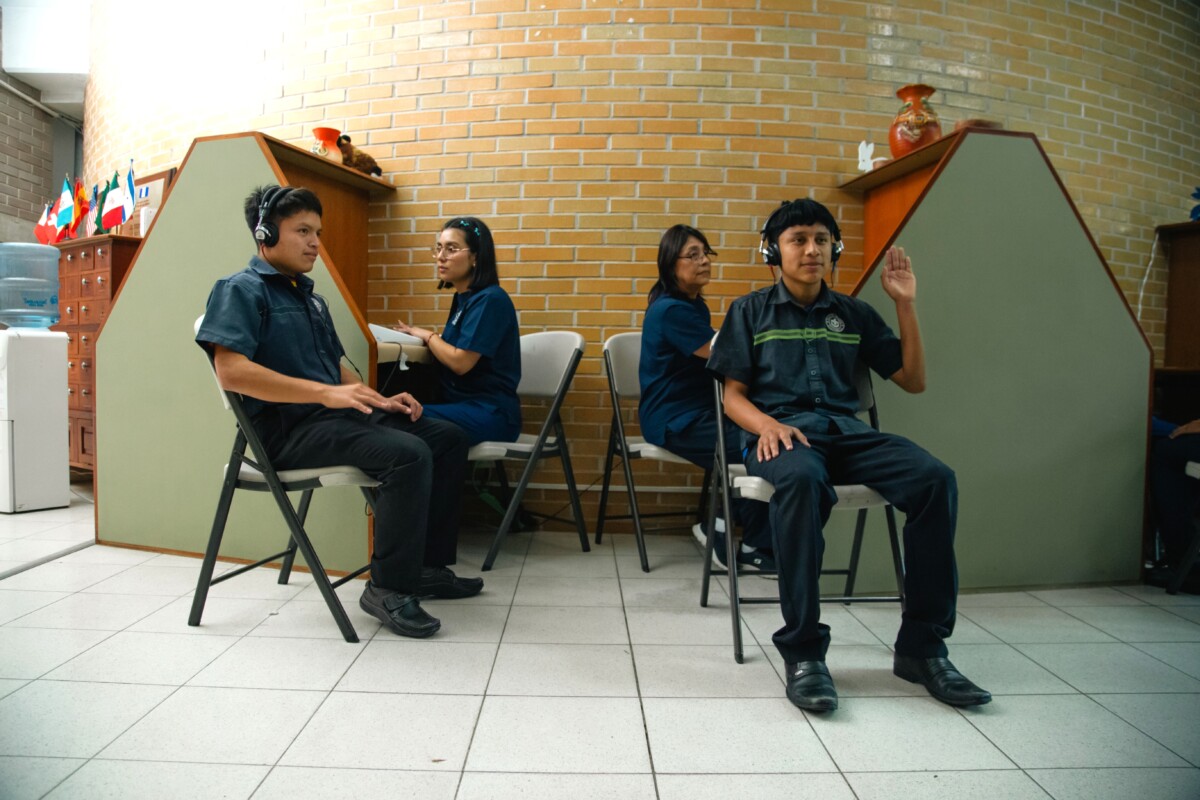
The program brings together hospitals, municipalities, and local associations to expand screening beyond neonatal care. Screening programs in 85 schools identify children who may not have been tested at birth or developed hearing loss later, ensuring that more children are connected with diagnostic services and support.
SQE works with the Office of the First Lady of Guatemala to support programs focused on children under state protection. These collaborations focus national attention on hearing health and create mechanisms for coordination between public institutions and local partners.
Through sustained dialogue with government and national stakeholders, this program is helping move hearing screening from isolated initiatives toward a coordinated national approach and laying the groundwork for sustainable early detection and care for children across Guatemala.
Interview
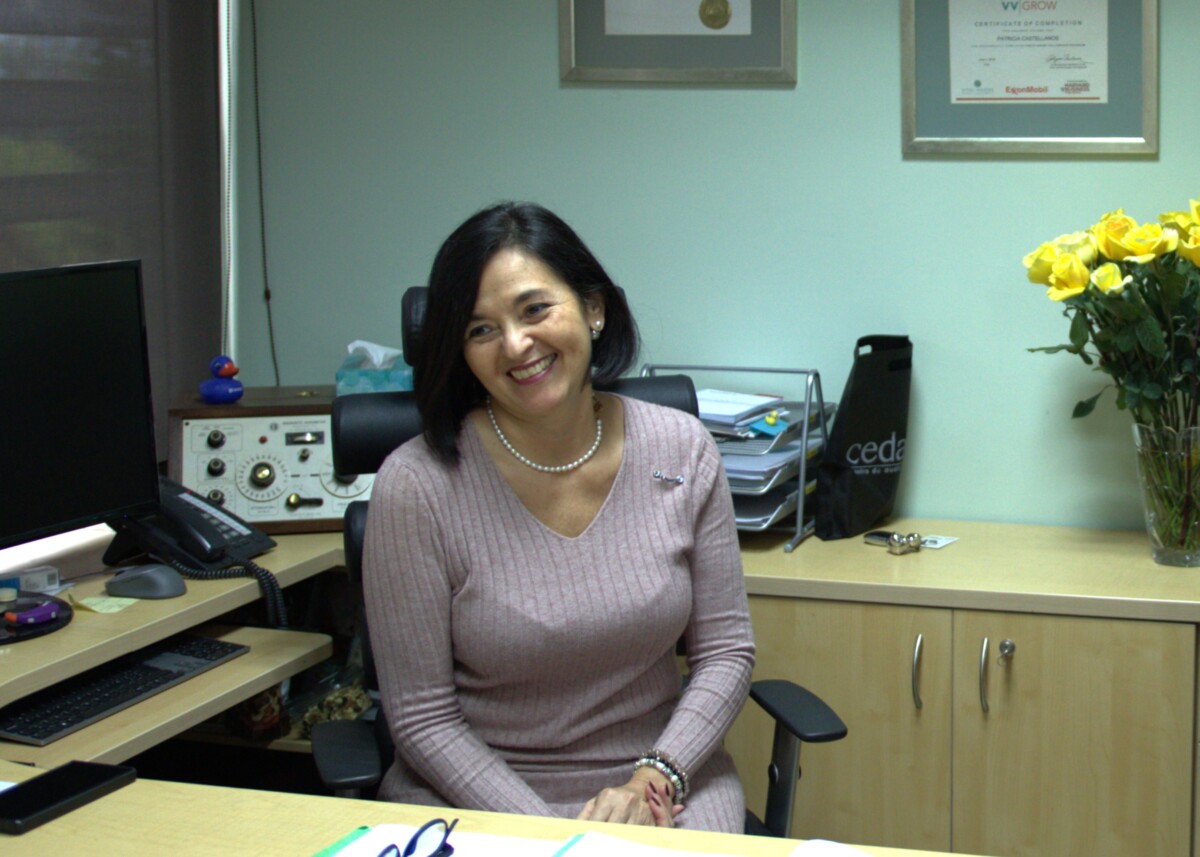
Dra. Patricia Castellanos de Muñoz,
Founder, Sonrisas Que Escuchan
Q: Why is collaboration with the Ministry of Health essential for ensuring neonatal hearing screening becomes a sustainable part of Guatemala’s public health system?
We were able to establish newborn hearing screening through funding secured from external partner organizations. The Ministry of Health has already taken an important step by funding this effort and recognizing newborn hearing screening as a public health priority. To expand this program nationwide and ensure its long-term sustainability, continued and increased government investment will be essential for covering technician salaries, equipment, supplies, and ongoing calibrations. A strong government collaboration also positions us to advance a national newborn hearing screening law, making this service a permanent, protected part of Guatemala’s public health system.
Q: As the founder of Sonrisas que Escuchan and an audiologist, what motivates you to continue advocating for early hearing detection and care in Guatemala?
Witnessing the tangible impact of Sonrisas que Escuchan’s work is what drives me forward. Since founding the organization, we have screened more than 51,800 newborns, directly connecting families to hearing care they would otherwise never have accessed. Seeing a child receive their first hearing aid and go on to thrive in school, or watching a family finally understand their child’s needs after one of our workshops; these are the moments that make me love my profession.
Screening
44,357
newborns and children screened
Intervention
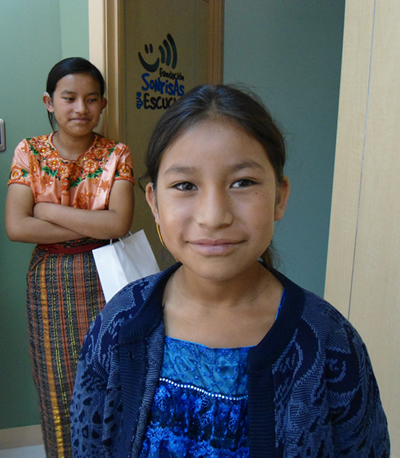
329
newborns and children fitted with hearing aids
Capacity development
1,901
people trained