

Capacity development: Kenya
Sense International Kenya
Building local expertise is essential to ensure children with hearing loss receive timely diagnosis and care. In many regions, hearing screening services remain limited due to a shortage of trained professionals and resources. In Kenya, our project partner Sense International trains clinical screeners within public health facilities in Kwale County, a coastal county in southeastern Kenya with a population of nearly 870,000.
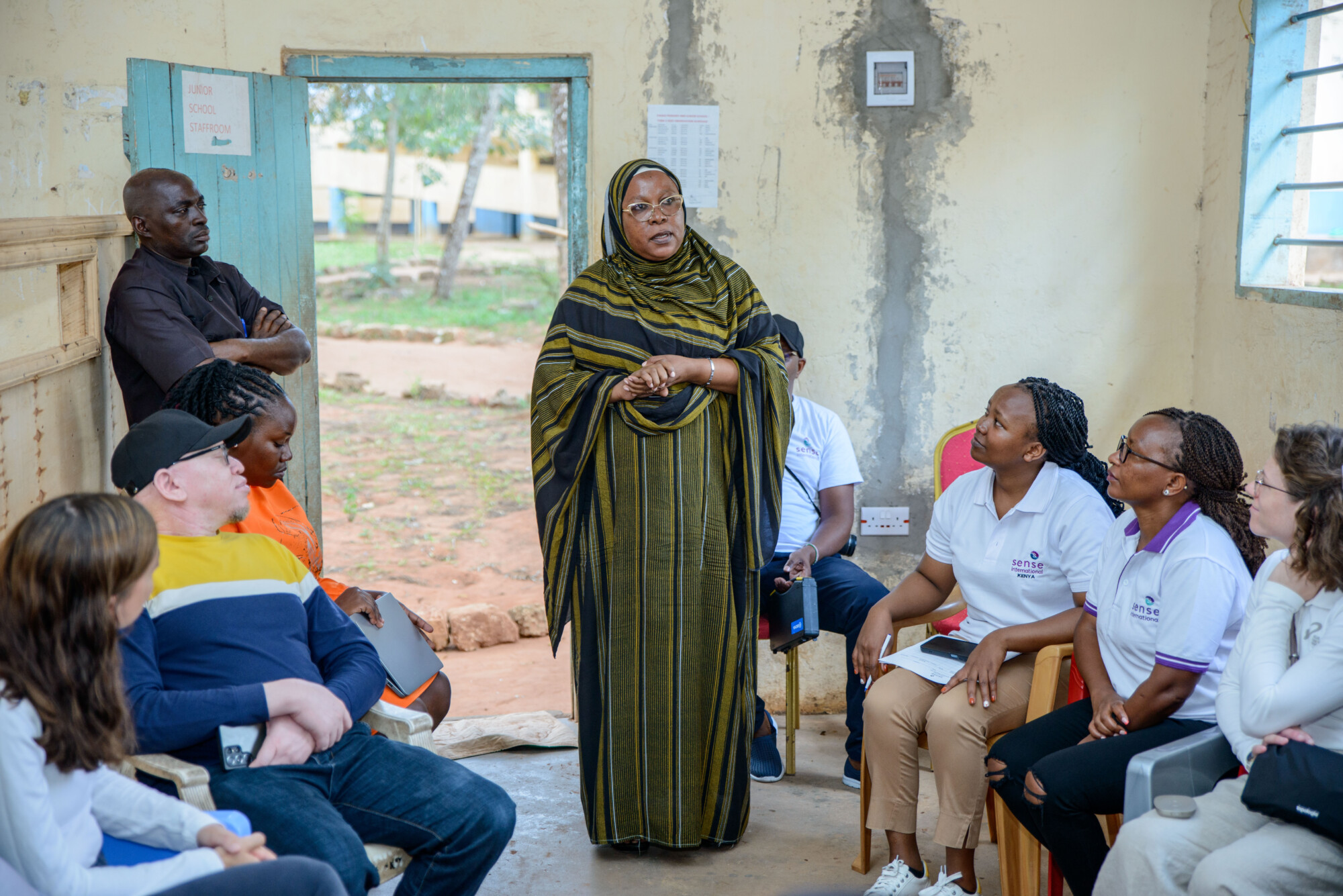
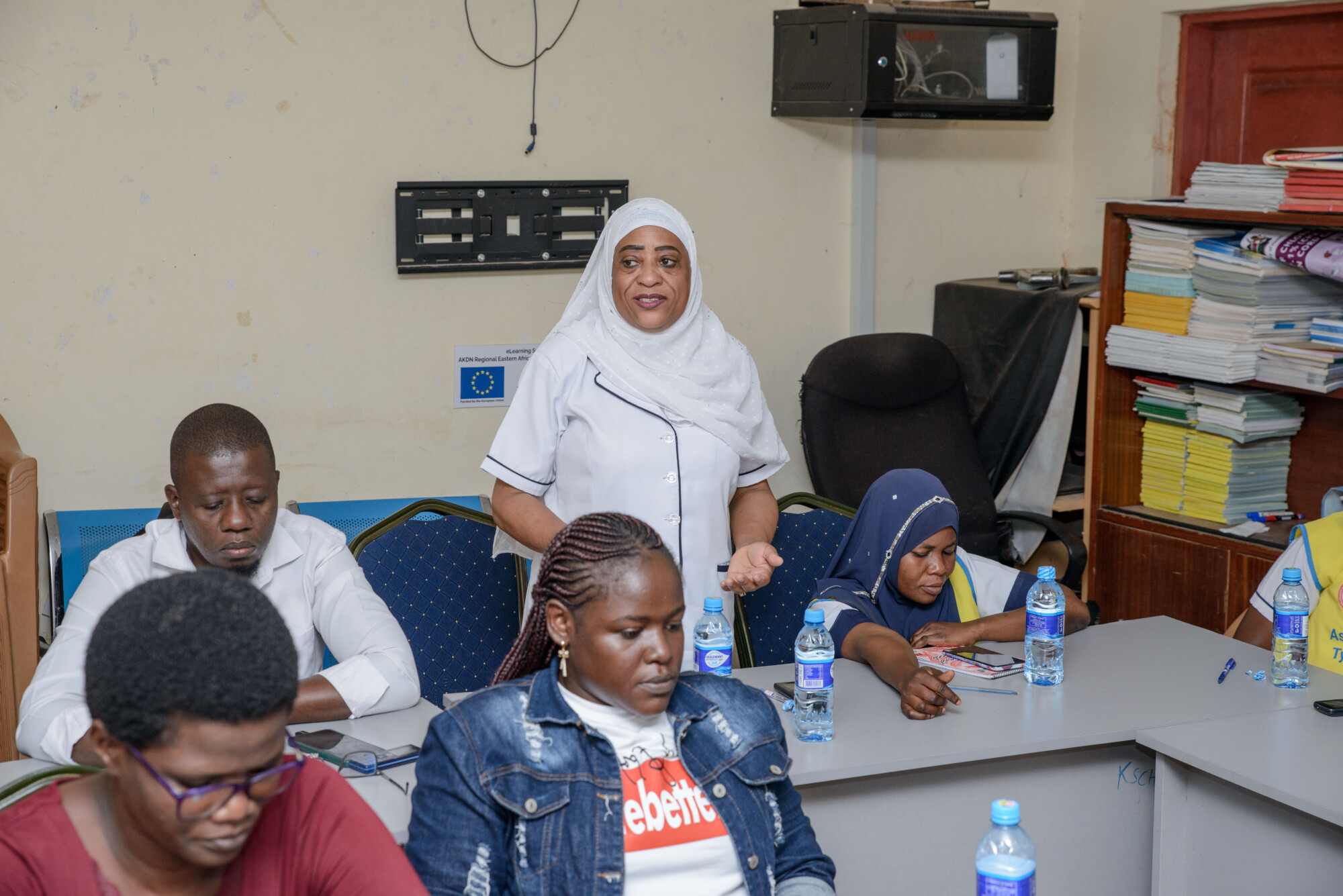
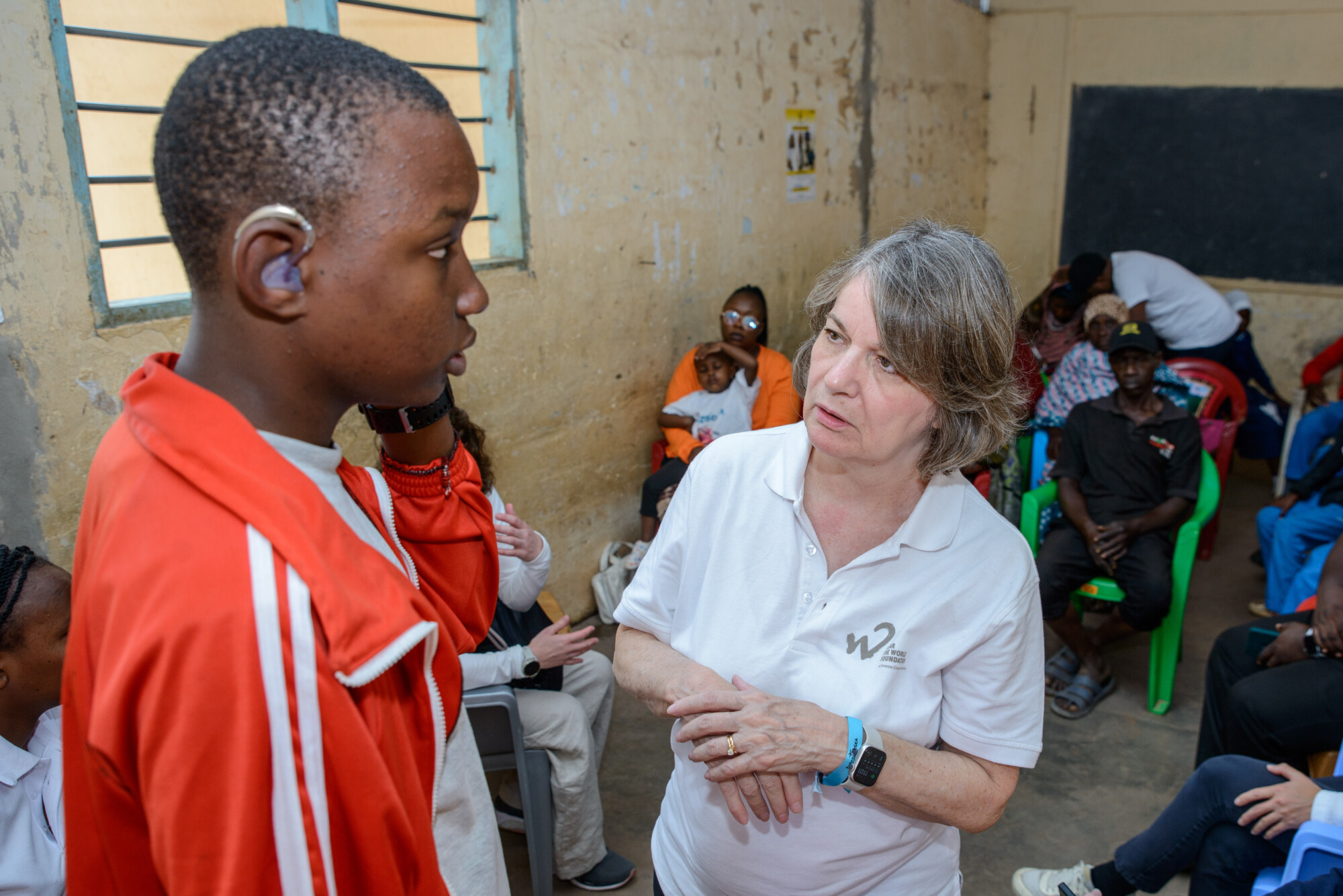
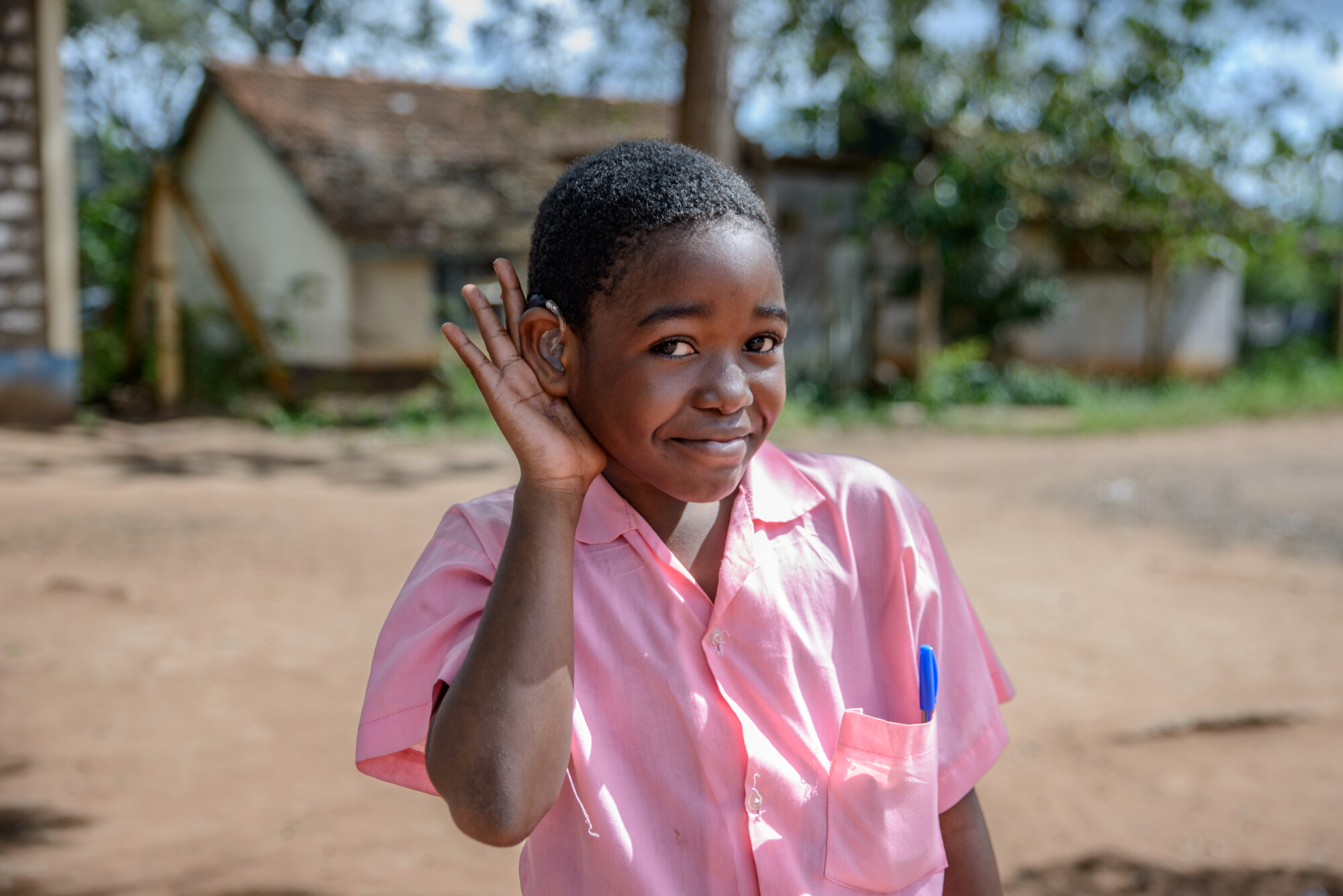
Almost 90 healthcare workers from departments including maternal and child health, pediatrics, maternity, and newborn care have been trained to conduct hearing screening as part of routine hospital services. By embedding screening within everyday service delivery, children can be reached at the points where they already receive care.
The model promotes shared responsibility across hospital departments. Through rotational screening schedules and hands-on training supported by specialized equipment, healthcare workers build practical skills while maintaining competencies over time. The initiative also strengthens institutional ownership. By engaging frontline health workers and county leadership, the program integrates screening into routine services and planning structures.
This project contributes to the implementation of Kwale County’s Health Development Plan under the County Integrated Development Plan, where ear and hearing care had been prioritized but not operationalized due to limited resources. By providing technical support, equipment, and capacity development, the program is helping translate these priorities into functioning services.
The program is also strengthening referral pathways between schools, community units, and health facilities. It plans to expand services to other sub-counties within Kwale, ensuring equitable access across Matuga, Msambweni, Lunga Lunga, and Kinango and creating a decentralized model that can serve as a blueprint for other counties.
By embedding hearing screening into routine healthcare services and strengthening expertise, the program is building a sustainable model that empowers local professionals to drive long-term improvements in hearing care within their communities.
Interview
Omar Mwatita
Nutritionist, Kwale Sub County Hospital
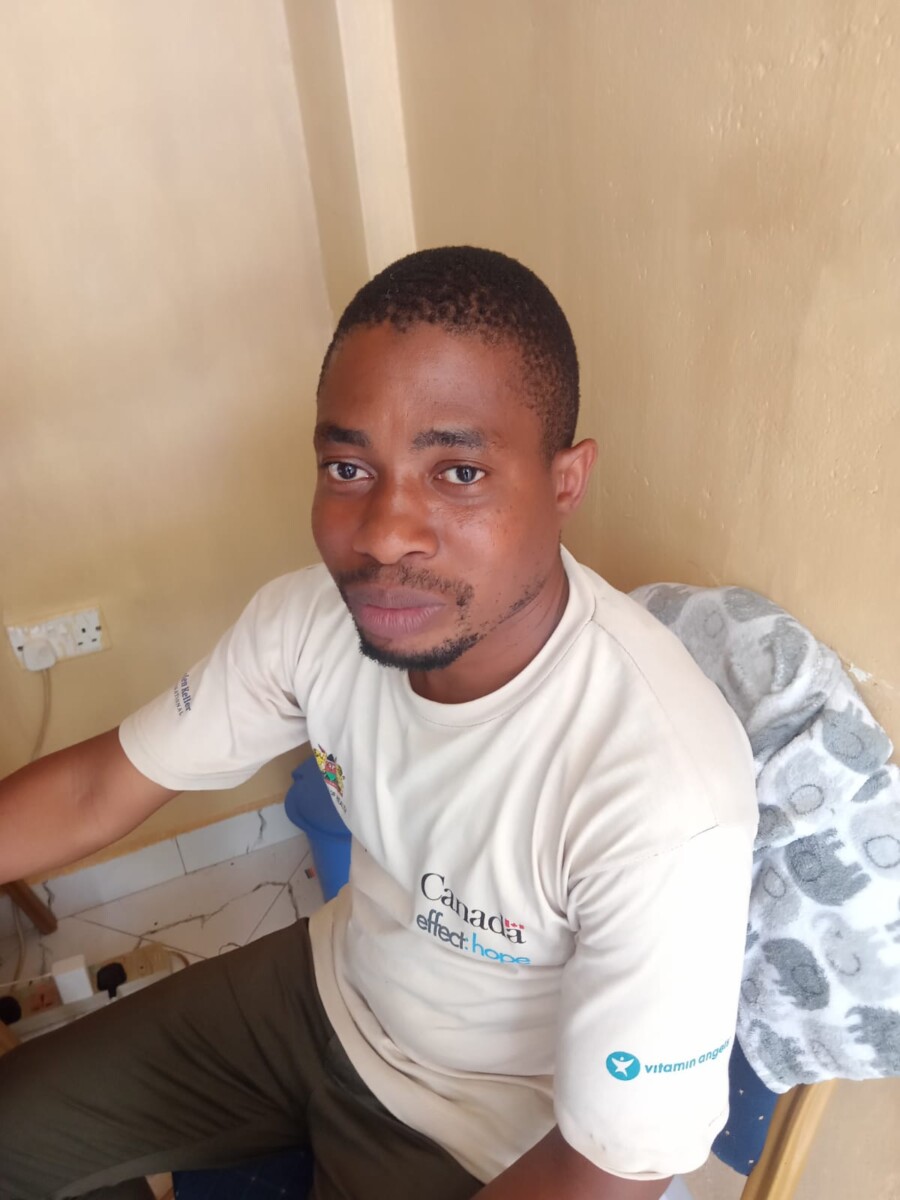
Q: What has been the most valuable skill or insight you’ve gained from participating in this training program for hearing screening?
The most valuable thing I’ve gained is learning how to truly connect with the families I work with. I’ve developed the ability to ask the right questions: ones that encourage caregivers to open up and share what’s really going on at home, which makes all the difference in getting accurate information. Alongside that, I’ve grown in my capacity to empathize with mothers and families, and I’ve seen how that trust, built slowly over time, creates a relationship where they feel safe and confident in the process.
Q: What do you see as the biggest challenge and the biggest reward of conducting hearing screenings in your community?
The challenges are real and varied. Working with autistic, hyperactive, or uncooperative children requires a great deal of patience and adaptability. No two screenings look the same. We also frequently encounter misconceptions and false beliefs about hearing screening, so part of our role becomes education and reassurance.
Screening
5,448
newborns and children screened
Intervention
50
newborns and children fitted with hearing aids
Capacity development
88
people trained