

Awareness: Zambia
Christian Blind Mission & Beit CURE Zambia
In many communities, the first step toward addressing hearing loss is to give families access to reliable information. When caregivers, teachers, and community leaders understand the signs of hearing loss and the importance of early intervention, children are far more likely to receive the support they need.
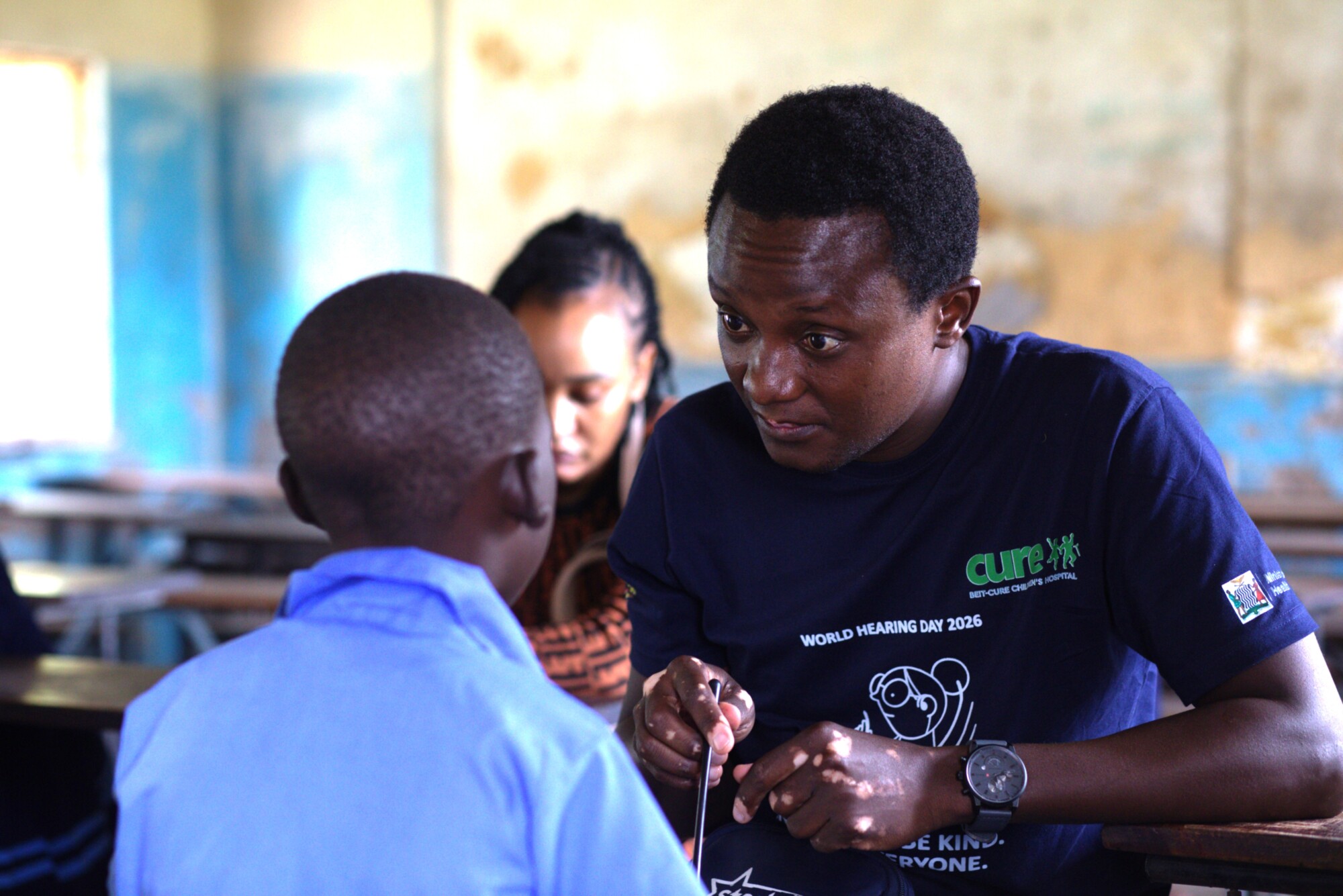
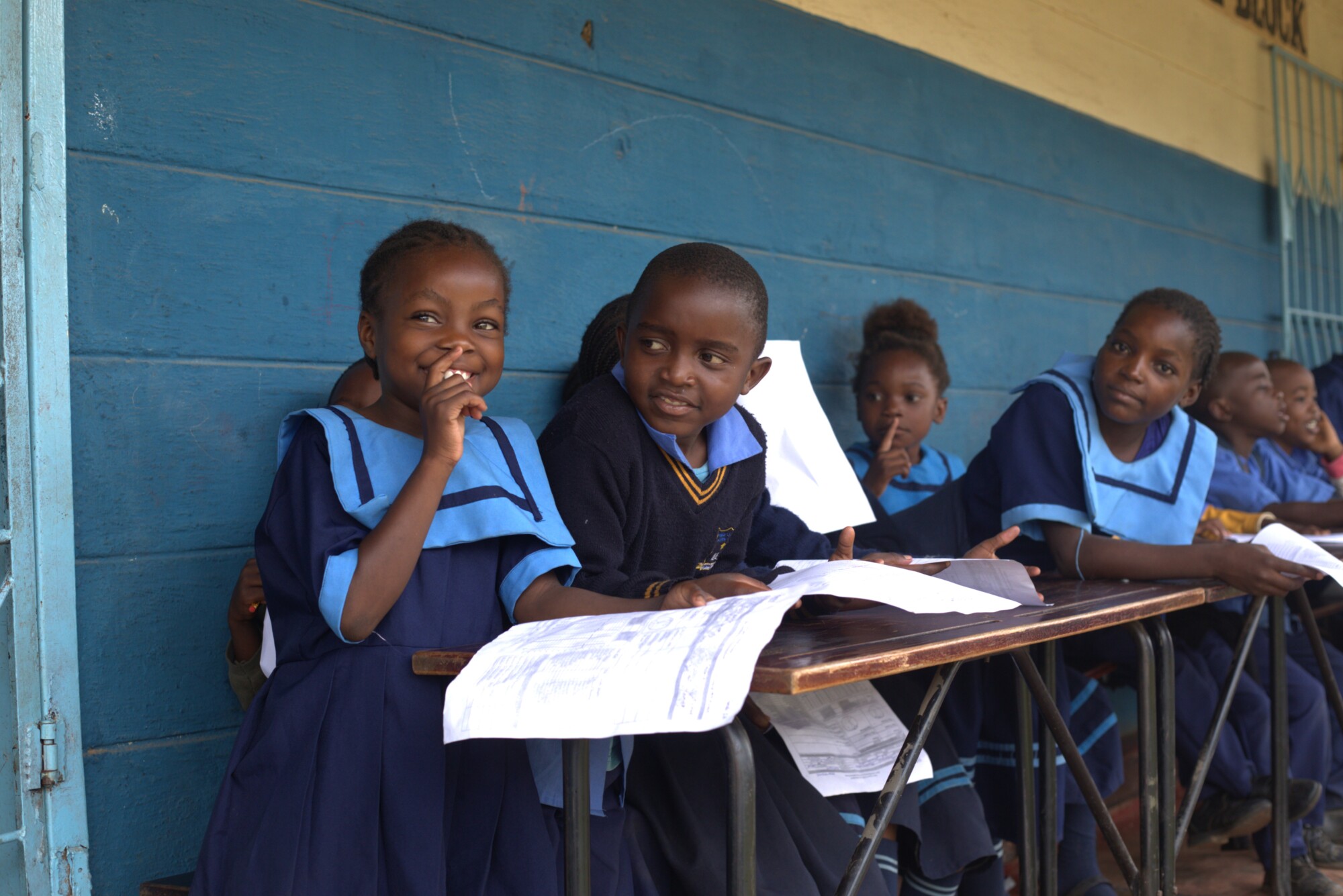
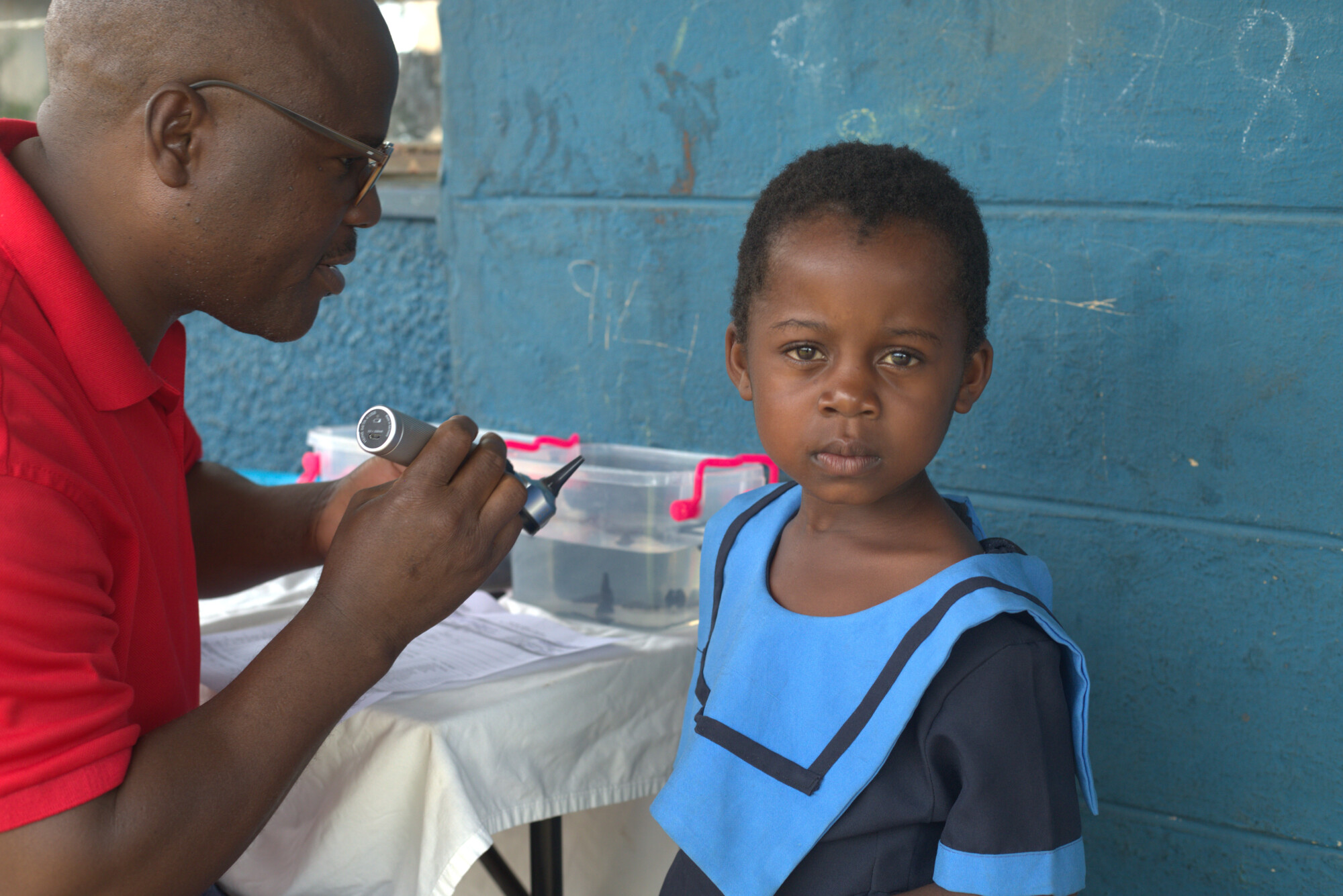
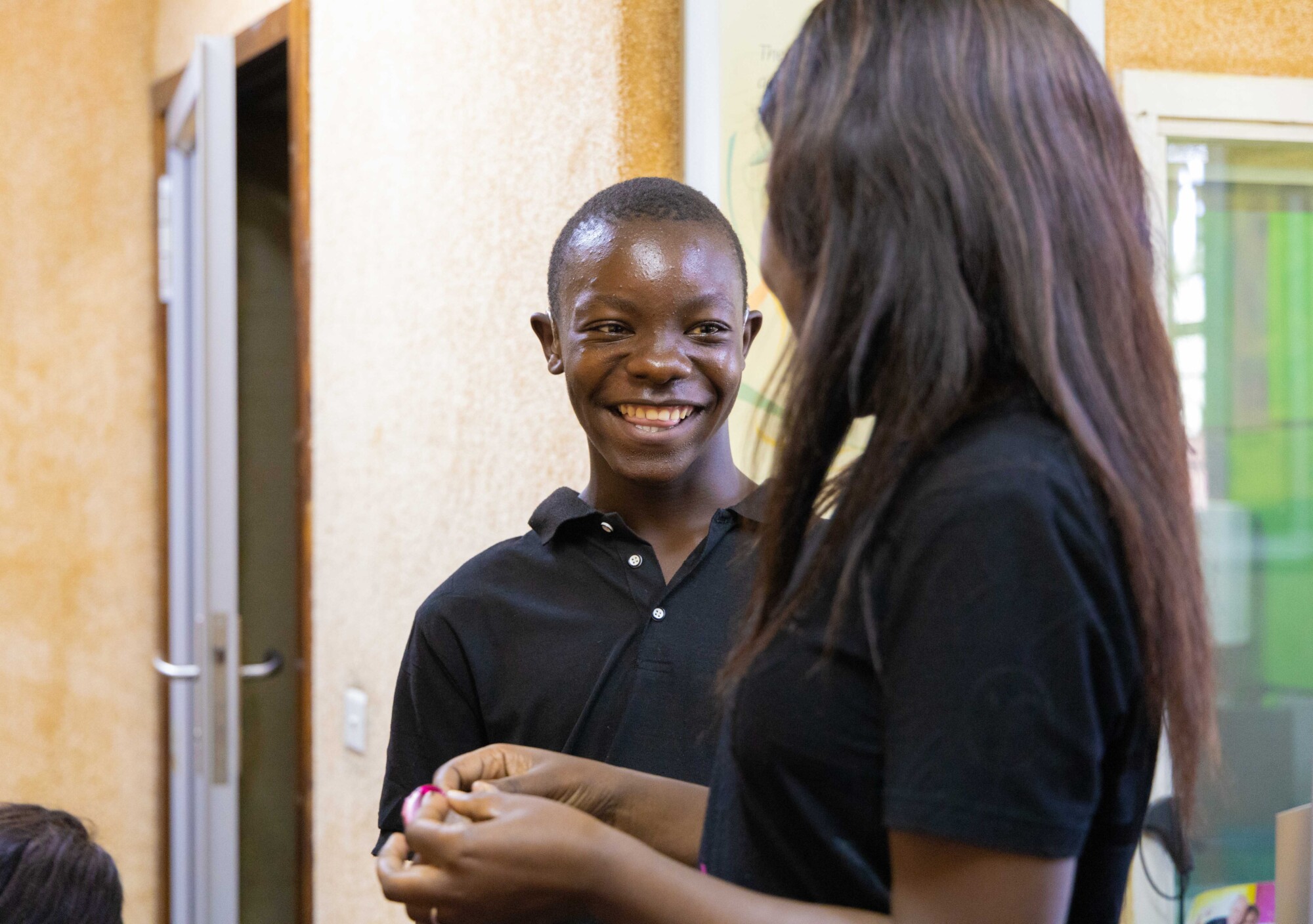
In Zambia, our project partners Christian Blind Mission, in partnership with Beit CURE Hospital Zambia, strengthen awareness through a network of community-based volunteers (CBVs). Established within a national public health framework, CBVs are trained community members who serve as a vital link between local residents and health facilities. Their role is to bridge the information gap between communities and healthcare professionals, helping identify children with ear and hearing challenges while encouraging families to seek appropriate care.
Almost 400 CBVs operate across seven provinces. As they are recruited locally, they foster an important level of trust and cultural understanding. Speaking local languages and using familiar examples, they help to debunk myths and misconceptions, such as beliefs that hearing loss has spiritual causes, with evidence-based information about hearing health and the benefits of assistive technology like hearing aids.
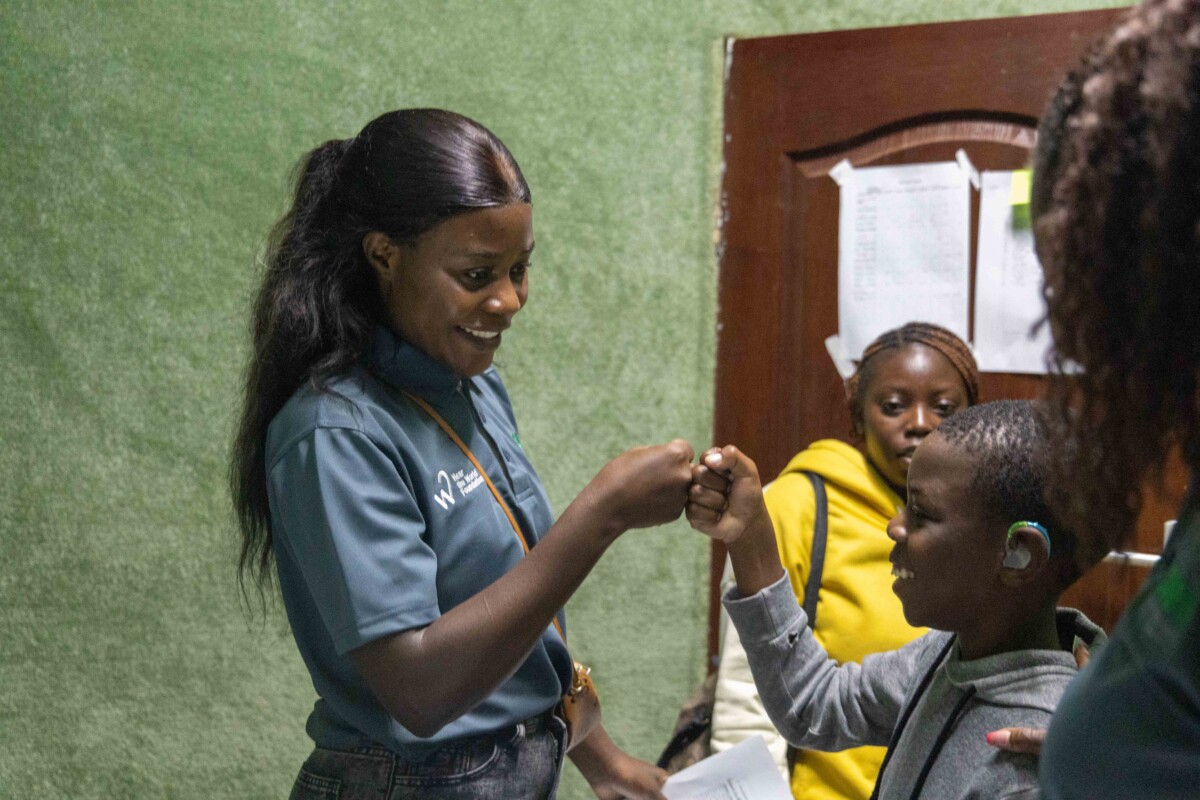
CBVs serve as a primary link between the community and medical professionals. Through door-to-door outreach and interactions in markets, schools, and community gatherings, CBVs identify children who may have hearing challenges and refer them for screening and care. Many volunteers accompany families to their first appointments, helping address fears or uncertainty that might prevent them from seeking help.
By embedding hearing health awareness within the fabric of community life, this program supports the early recognition and treatment of hearing loss, giving children a better chance to develop language, communication, and social skills during the critical early years of life.
Interview
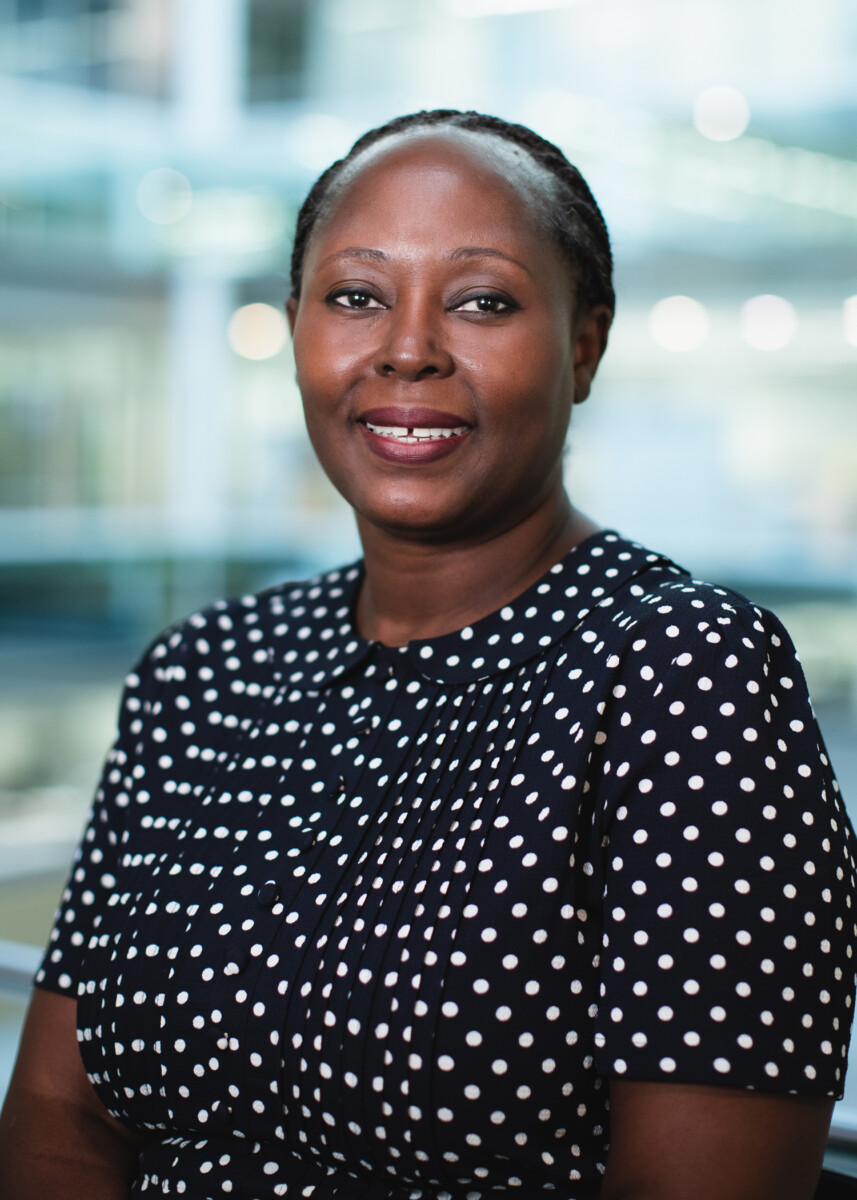
Dr. med. Doreen Mulenga, Former UNICEF representative, retired medical doctor & Hear the World Advisory Board Member
Q: How important is community-based awareness in addressing health challenges like hearing loss?
Usually, hearing problems are often invisible and gradual so people don’t seek help early. Information shared through trusted local channels, such as community-based volunteers, is tailored to local beliefs, languages and norms and therefore leads to increased trust and uptake of services as well as the opportunity to address challenges such as stigma.
Q: What does it take for a program like the one CBM and Beit CURE hospital are utilizing to have a lasting impact?
The use of Community-Based Volunteers (CBVs) is grounded in an Act of Parliament, providing a strong political and legal foundation for continued scale-up. In addition, the expansion of comprehensive hearing care through this partnership creates a critical link between community awareness and access to services, helping to prevent frustration and low uptake.
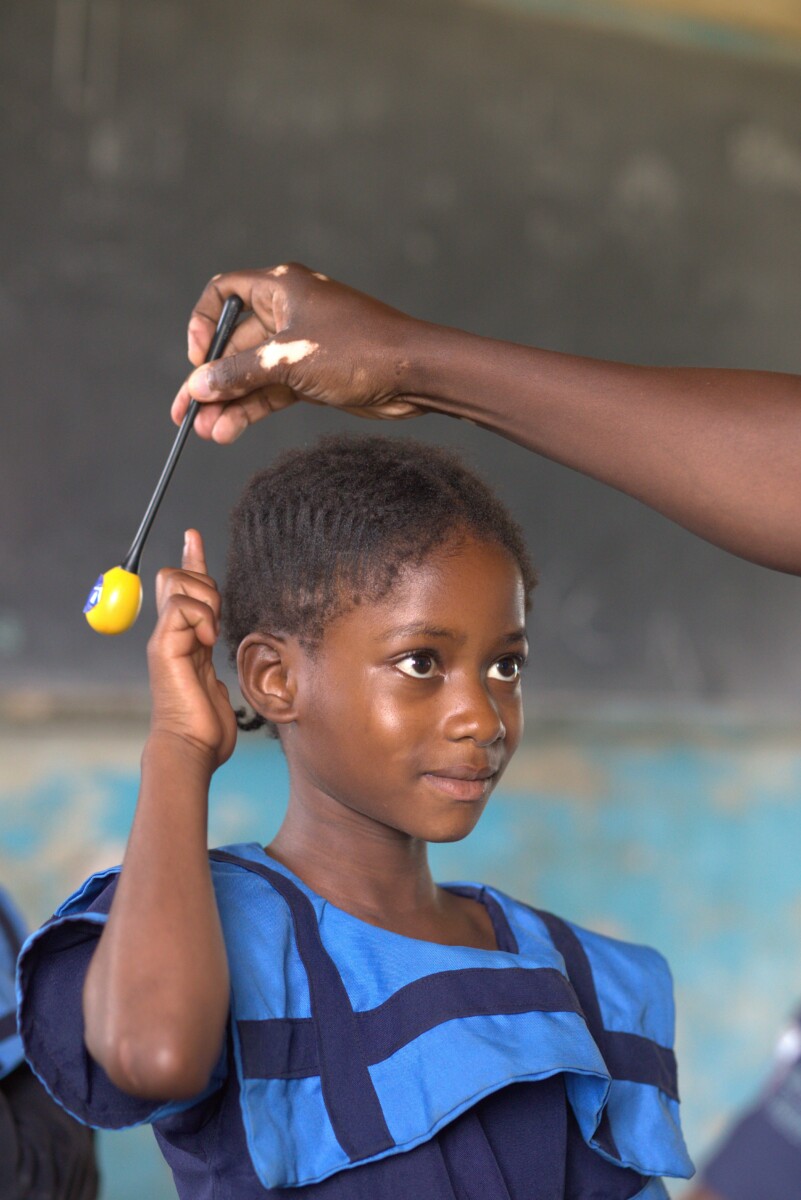
Screening
14,437
newborns and children screened
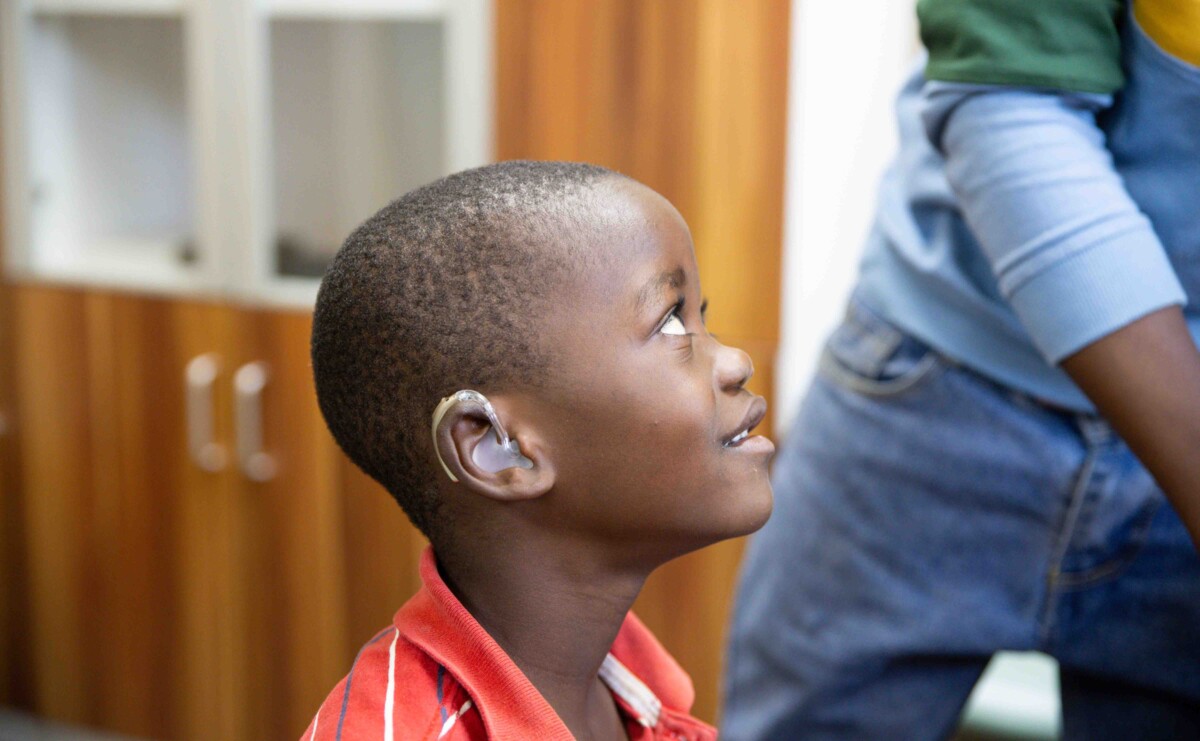
Intervention
105
newborns and children fitted with hearing aids
Capacity development
260
people trained